
Designing Trust and Visibility Into Last Mile Delivery Workflows
A reliable last mile delivery platform does more than track shipments. It connects dispatchers, drivers and customers with clear visibility, timely updates and the confidence to know what is happening at every stage of the delivery.
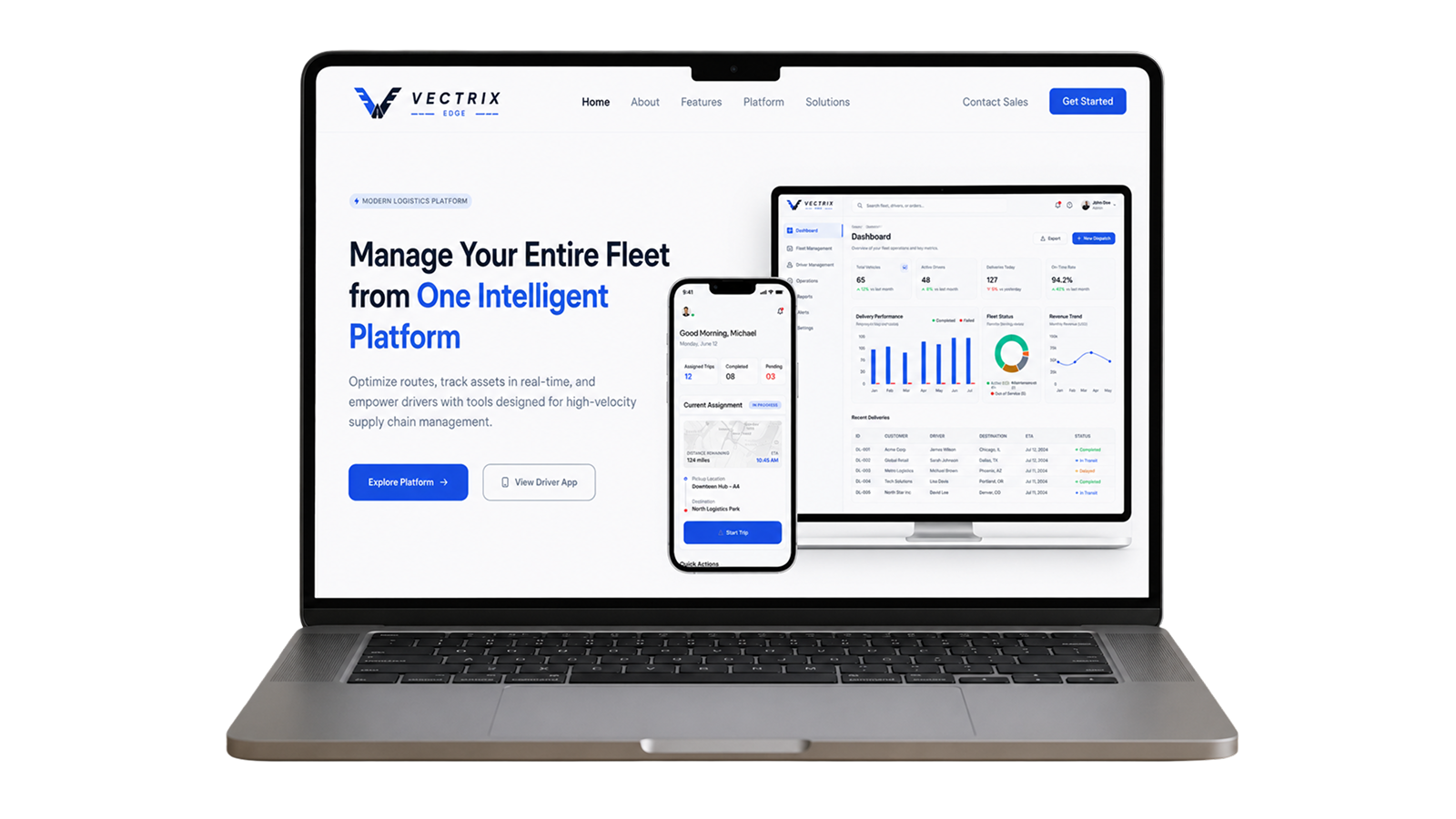
Last mile delivery design is often treated as a tracking exercise: show where a driver is, display delivery status and provide an estimated arrival time. That approach can create visibility without creating trust, leaving dispatchers, drivers and customers uncertain about what is happening when plans change.
Delivery teams need more than location updates. They need workflows that connect status, timing, responsibility and context so everyone can understand what is happening and what should happen next. The experience must make complex delivery operations feel predictable without hiding the exceptions that require attention.
The best last mile delivery experiences are therefore organised around moments of uncertainty rather than individual screens. Where is the delivery? Is it still on plan? What has changed? Who needs to act? What does the customer need to know? How can the system make the next step clear?
What Makes a Last Mile Delivery Workflow Trustworthy
Visibility Over Tracking
Show the delivery status, timing and location signals that help teams understand what is happening now.
Exceptions With Context
Connect delays and delivery issues to the driver, route, customer and next action.
Shared Delivery Language
Use consistent definitions for status, ETA, delay, arrival and completion across every role.
Reliable Updates
Make every important status change clear, timely and consistent for drivers, dispatchers and customers.
A Delivery Workflow Should Reduce Uncertainty at Every Step
Last mile delivery involves drivers, dispatchers, customers, routes and changing conditions. When these touchpoints are disconnected, users must piece together what is happening, creating uncertainty when clarity matters most.
A trustworthy workflow connects visibility, context and action. Users should quickly understand the delivery status, recognise when something changes and know what happens next. The experience should keep information simple while preserving the context needed to act confidently.
Different roles need different visibility
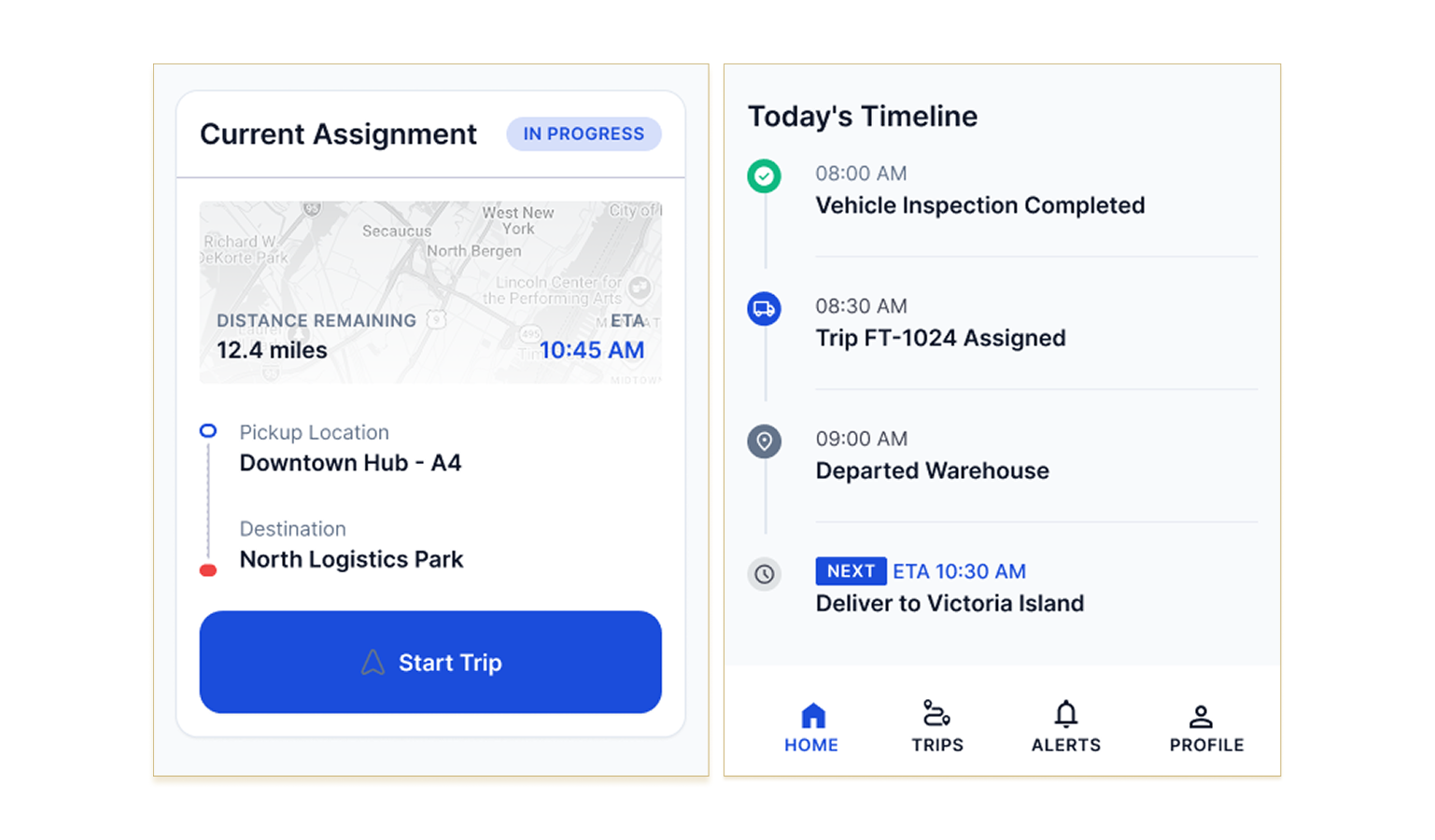
Drivers need clear tasks and simple status actions. Dispatchers need progress and exceptions. Customers need accurate updates and reliable ETAs. One connected system should support each role without overwhelming them with irrelevant information.
Tracking needs context
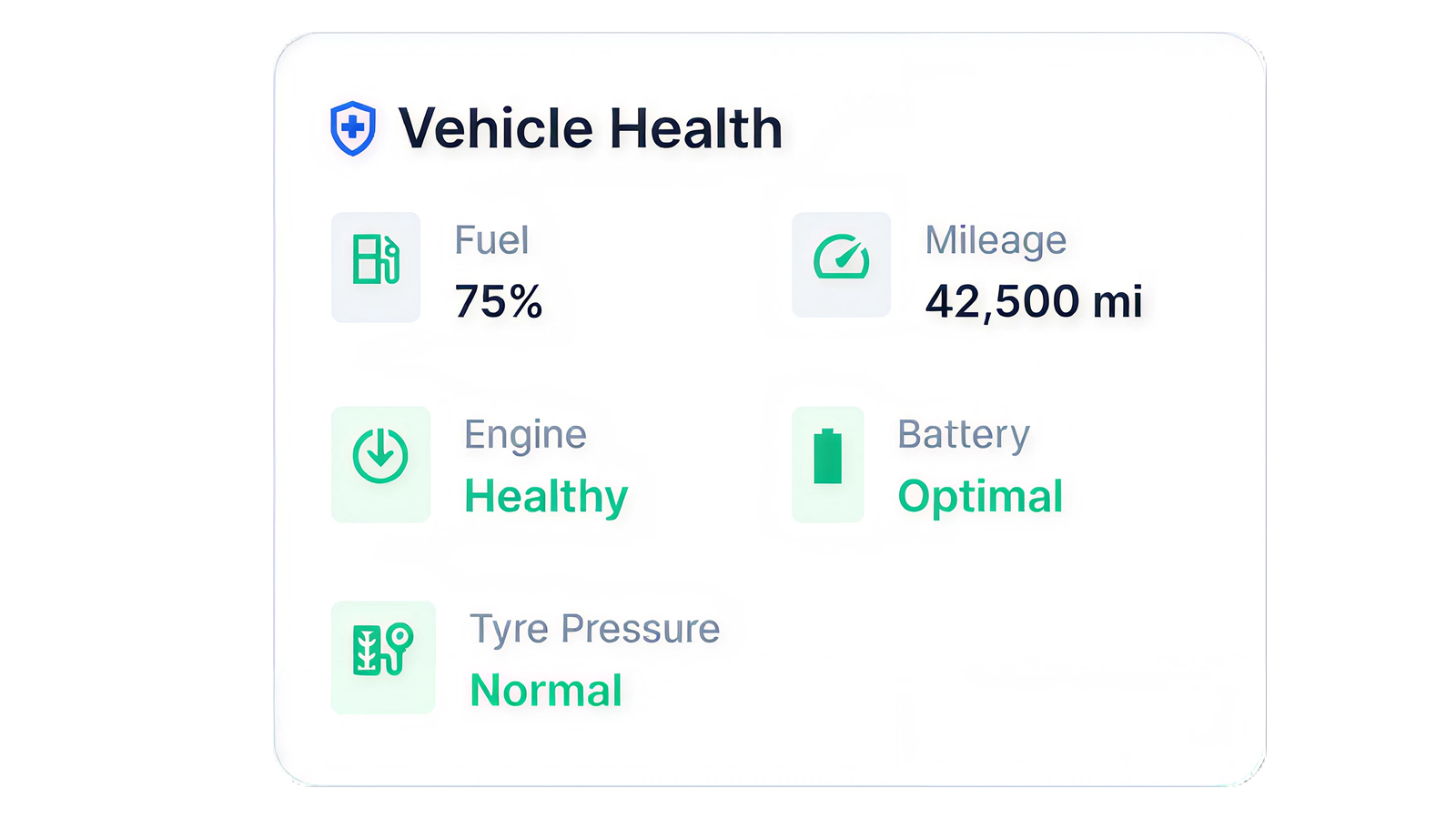
Location alone does not explain whether a delivery is on track. Connect it with ETA, route progress, status and customer expectations to turn tracking into meaningful delivery visibility.
From Delivery Tracking to Trusted Visibility
For me, the challenge in last mile delivery is not simply showing where a delivery is. It is making that information clear and reliable enough for people to act on. A status like “in transit” only becomes useful when it shows whether the delivery is on track, what has changed and what happens next.
Good workflow design connects the driver, dispatcher and customer around the same delivery story. Each update should provide enough context for the next person to understand the situation without having to piece information together.
That consistency is what builds trust. When statuses, ETAs and updates are predictable and easy to understand, the system becomes more than a tracking tool, it becomes a reliable part of the delivery operation.
Delivery visibility is not the amount of tracking data on screen. It is the clarity and confidence with which drivers, dispatchers and customers can understand what is happening and what comes next.
The TRUST Framework for Last Mile Delivery Workflows
Understand
Start with the moments that matter most across the delivery journey, from assignment to successful handoff.
Surface
Make delivery status, ETA and exceptions immediately visible without overwhelming users.
Connect
Link every update to the driver, route, customer and current delivery context.
Coordinate
Create a clear path from issue detection through communication and resolution.
Confirm
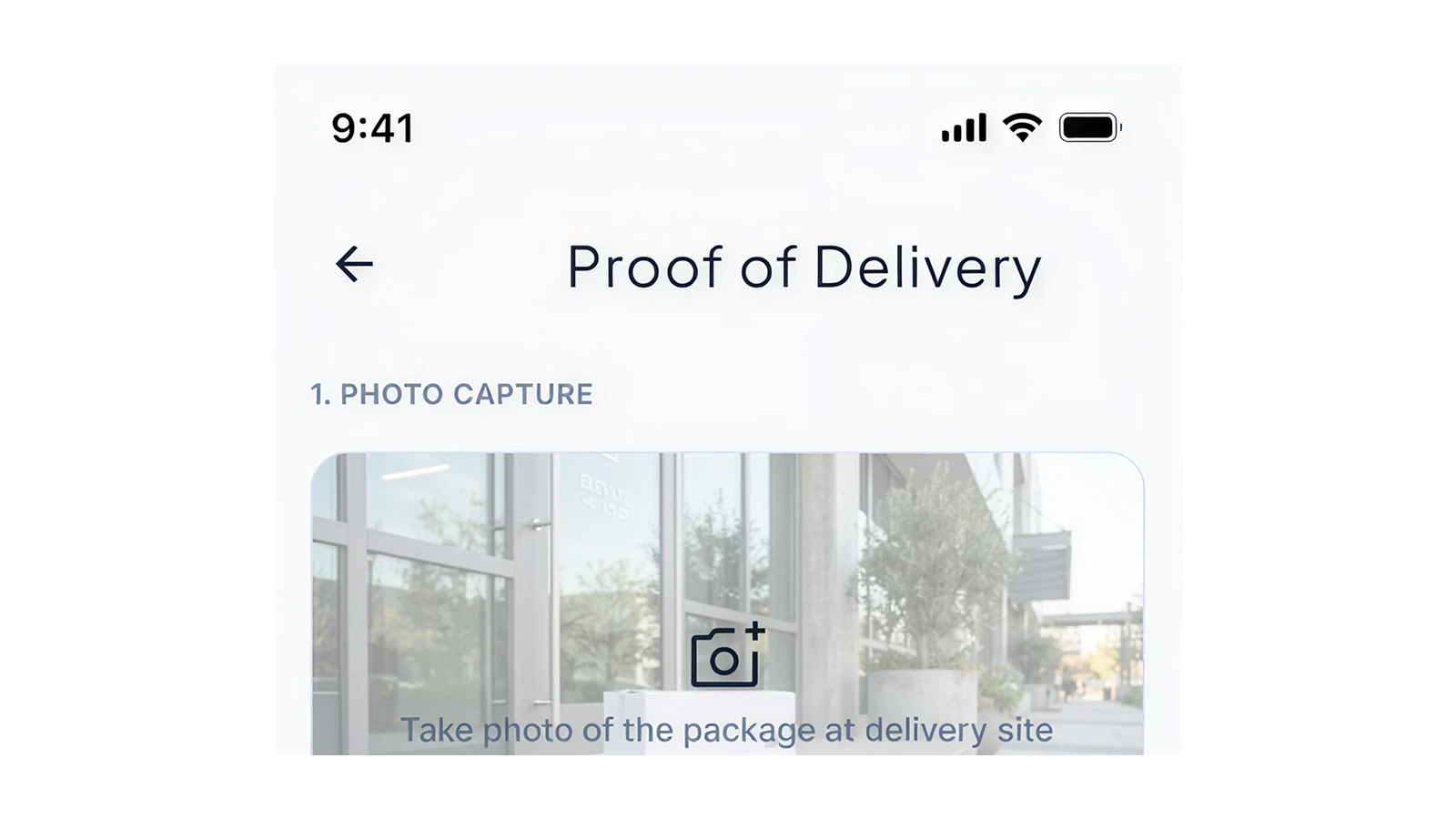
Keep drivers, dispatchers and customers aligned with accurate, timely and consistent updates.
Learn
Use delivery outcomes and recurring exceptions to improve workflows, communication and product design.
How to Build More Trustworthy Last Mile Delivery Workflows
Start with the key moments in the delivery journey before designing individual screens.
Make delivery status, ETA and exceptions easy to understand at a glance.
Connect every important update to the driver, route, customer and current delivery context.
Use consistent definitions for status, delay, arrival, ETA and completion across the experience.
Make exceptions actionable by clearly showing who needs to respond and what happens next.
Measure whether the workflow reduces uncertainty, unnecessary communication and manual coordination.
Have a question about this insight?
Send Lokomax a focused question about the product, workflow or design decisions covered in this article.
Turning delivery visibility into a customer advantage?
Lokomax designs last mile delivery platforms, logistics workflows and mobile experiences that connect drivers, dispatchers and customers through clear, reliable visibility.